

Botox – Wrinkle Treatments in Istanbul
Overview & Goal
Botox (botulinum toxin type A) selectively relaxes facial expression muscles to smooth dynamic wrinkles—lines created by movement (forehead, frown lines, crow’s feet). The face looks more rested without losing expression. Our approach uses micro-dosing (“baby Botox”), fine-needle technique, and a natural result—not a “frozen” look.
“Botox is one of the best inventions since the wheel.”
— Prof. Dr. Ülkür
Who It’s For
Ideal for active facial expression, early lines, or prevention (softening before lines engrave). Botox can also help with tension headaches from forehead overactivity, bruxism/masseter hypertrophy (slimmer jawline), and hyperhidrosis (axillae, hands—medical indication). Not suitable during pregnancy/breastfeeding, with local infections, certain neuromuscular disorders, or unrealistic expectations.
Treatment Areas – Examples
Forehead lines, glabella (frown lines), crow’s feet, bunny lines (nose), orange-peel chin, gummy smile, lip border “smoker’s lines” (very low doses), platysmal bands (neck), masseter (grinding/facial slimming). Dose and points depend on muscle strength, skin thickness, and the aesthetic goal.
Procedure, Dosing & Effect
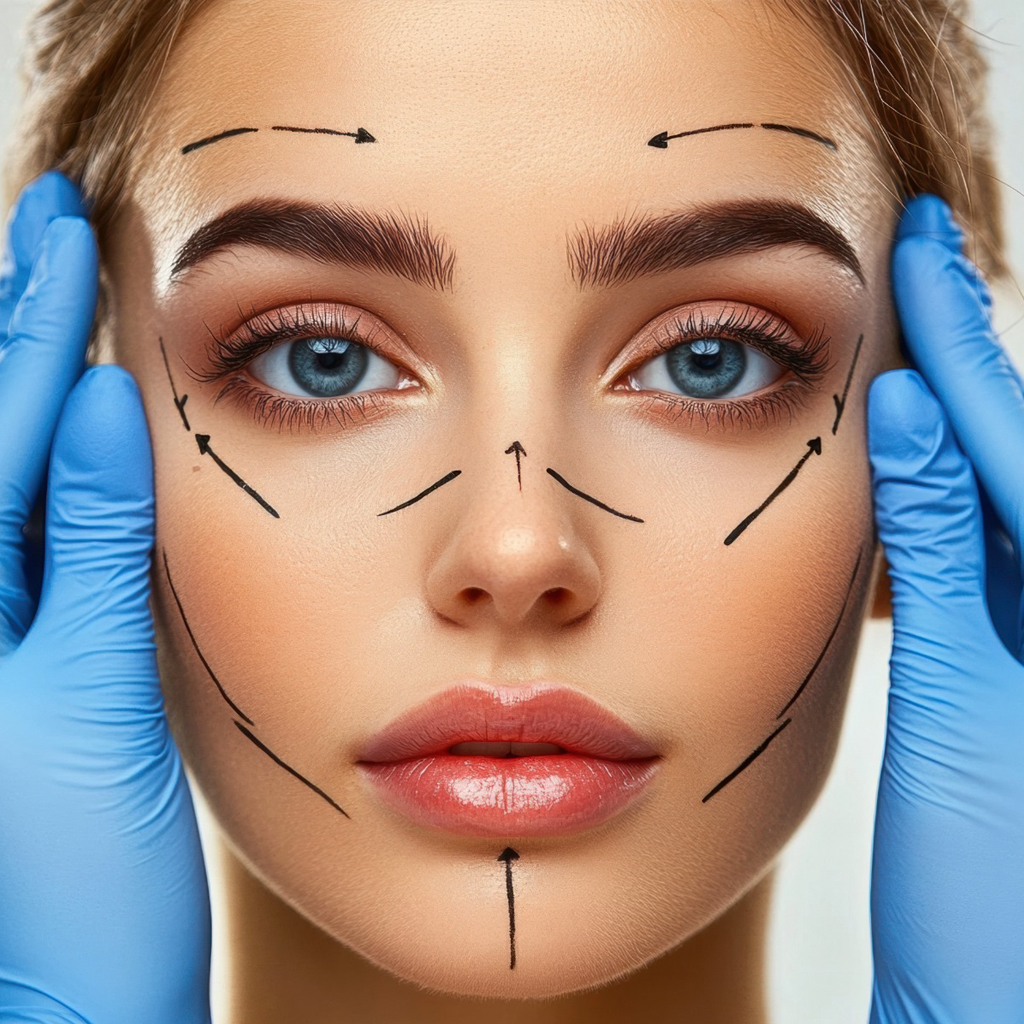
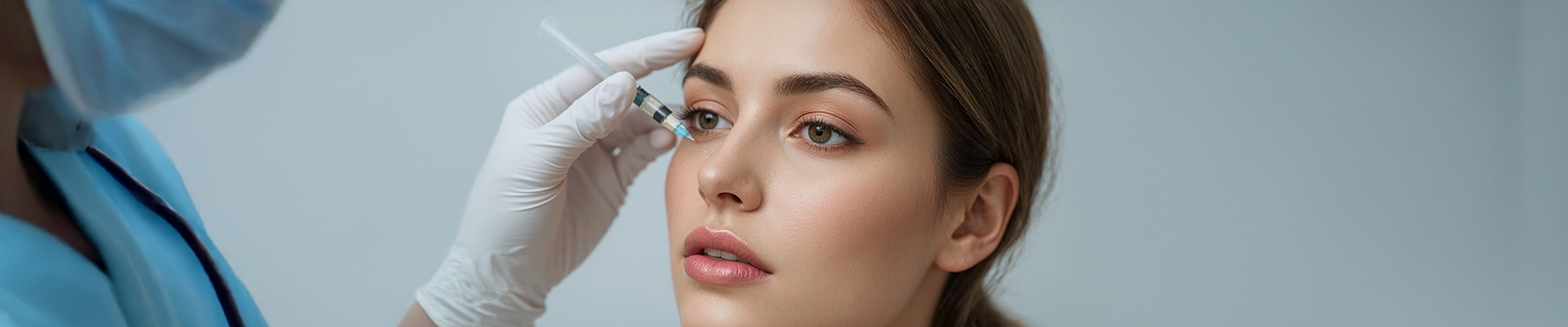
After marking, we inject with fine needles/cannulas using low pressure. First effects appear in 3–5 days, peak at 10–14 days. Duration is typically 3–6 months (often longer at the masseter). A 2-week review allows fine-tuning—better to top up than overcorrect.
Brands & Differences: Allergan (Botox®) and Dysport®
We use Allergan Botox® and Dysport® (Ipsen)—both long-standing, evidence-based products.
- Mechanism: identical (botulinum toxin A). Units are not interchangeable; dosing is brand-specific.
- Onset & spread: Dysport® may start a bit faster and diffuse slightly broader; Botox® is often preferred for very precise, small areas. Technique, dilution, and anatomy strongly influence both.
- Duration: generally comparable; individual variation is common.
We choose per area and target—based on muscle pattern, desired softness/precision, and your prior experience. Both meet international quality standards.
Aftercare – Quick & Practical
Stay upright for 4 hours; avoid pressure/rubbing; no sport/sauna for 24 hours; apply makeup gently after a few hours. Move your face normally; avoid strong facial massage. Small bruises can occur and fade.
Natural, Not “Mask-like”
A frozen look comes from excessive doses or poor point selection. We plan with vector/layer concepts, pay close attention to brow position and forehead–eye balance, and combine—if needed—with skin boosters/fine fillers for static lines. The goal: soft, lively results.
Safety & Side Effects – Expanded
When correctly indicated, Botox is very safe. Usually mild, temporary effects: redness, small bruises, pressure/headache, asymmetries.
Rarely:
- Lid/brow ptosis after forehead/glabellar treatment (typically temporary)
- Smile/mouth-corner asymmetry with perioral dosing
- Dry eyes after strong lateral eye treatment
- Chewing fatigue/reduced bite force after masseter therapy (intended and reversible)
- Neck tension/swallowing difficulty after neck/platysma treatment
Risks decrease with precise anatomy, conservative dosing, atraumatic sterile technique, and touch-ups instead of “full throttle.” Some uses are off-label yet clinically established—explained transparently in advance. A full medical history (medications, neurological conditions) is mandatory.
Combinations & Limits
Botox smooths dynamic lines; static creases, volume loss, or skin excess need additional strategies (hyaluronic acid, collagen stimulation, laser/peels, eyelid/brow surgery). For bruxism we treat the masseter cautiously—jawline slimming yes, function preserved.