

Lipofilling - Autologous Fat Grafting in Istanbul
What it is
With autologous fat grafting, a small amount of fat is gently harvested from a discreet area, processed, and reinjected in fine, fan-shaped threads wherever volume is lacking or skin quality would benefit. The material is biocompatible, feels natural, and—within limits—can have lasting effects. It is not a weight-loss procedure; liposuction serves only to obtain the graft.
Suitable areas & goals
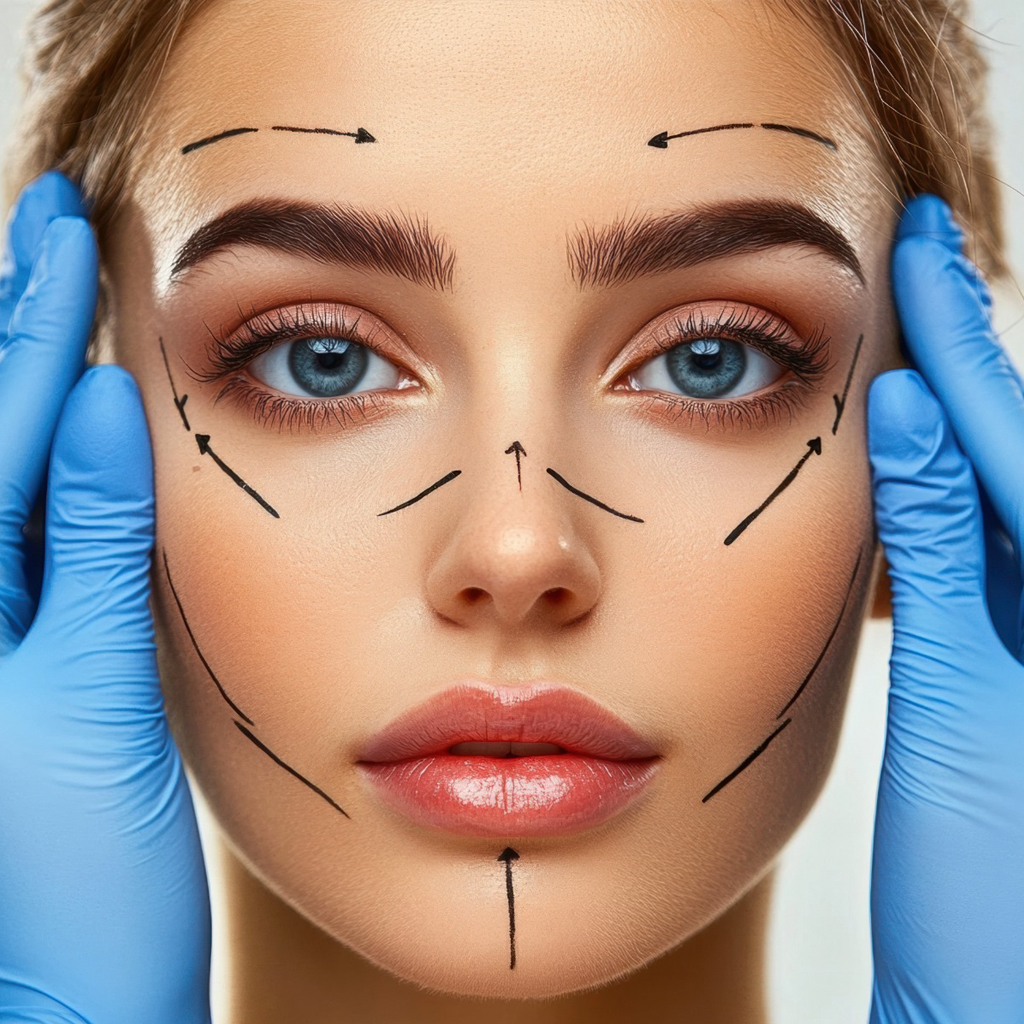
In the face we use fat for the cheeks/midface, temples, chin/jawline, nasolabial and marionette region, subtle blending of the lid–cheek junction, and—very selectively—the lips. Outside the face it suits the backs of the hands, small scar depressions, and quality improvement after tissue loss. Fat grafting is often combined with other procedures (e.g., eyelid or facelift) so contour and skin quality improve together.
Micro, nano & “classic” fat—what’s the difference?
- Macro/classic fat adds projection and volume (e.g., zygoma, chin).
- Micro-fat is more finely processed, placed with thin cannulas in more superficial planes—great for transitions and edges.
- Nano-fat is highly emulsified; it adds little volume but can improve texture (tone, fine creping).
We select the fraction by area, tissue quality, and target look.
Procedure, anesthesia & processing
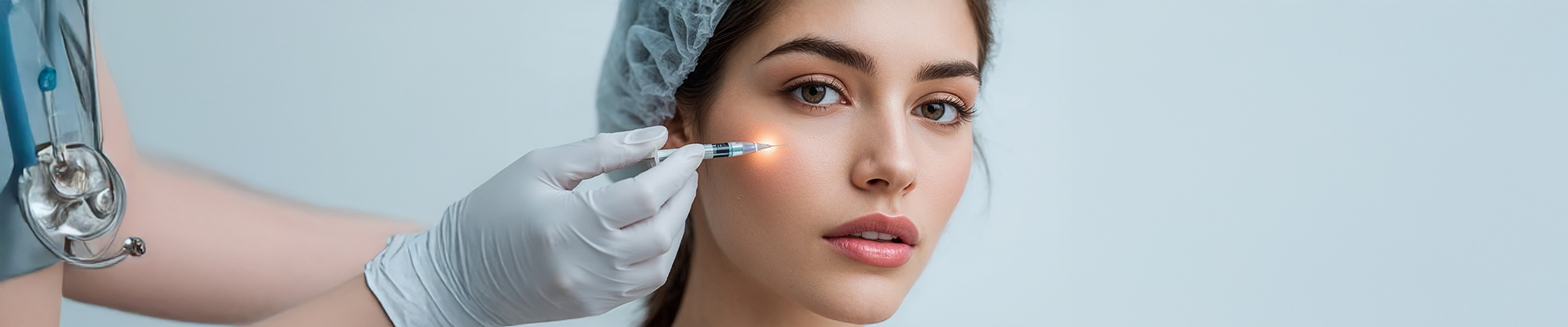
Harvesting typically comes from abdomen, flank, or thigh under tumescent local anesthesia (optional twilight sedation; general anesthesia for larger combos). Fat is collected in a closed, sterile system, then filtered/decanted to remove oil and fluid. Injection uses blunt micro-cannulas in small aliquots and safe planes to create soft, even transitions without “lumps.”
Longevity—realistic expectations
Part of the graft establishes a new blood supply and survives long-term; part is resorbed over the first weeks. A stable result is judged at 3–6 months. Depending on area and lifestyle, ~50–70% of the placed volume typically remains—individual variation is normal. Weight changes alter the result (gain → more, loss → less volume). Minor touch-ups in a second, small session are sometimes useful.
Advantages & limits
Pros: autologous material, natural feel, can be combined with surgery, potential texture improvement.
Cons/limits: result cannot be dissolved like HA; with significant laxity or when millimetric precision is needed, HA filler is often more predictable. For high-risk zones (e.g., nose, central forehead, very superficial periorbital) we consider stricter alternatives.
Safety—honest overview
Expected: swelling, bruising, and tightness at donor and recipient sites.
Less common: irregularities, oil cysts/fat necrosis, calcifications, asymmetry. Vascular events are theoretically possible—we reduce risk with blunt cannulas, low injection pressure, safe planes, and conservative volumes. Smoking, poorly controlled diabetes, and large weight swings lower take-rates.
Aftercare—your part
Compression at the donor site; avoid pressure on the grafted area. Cool for 48–72 h, pause sports/heat and intense facial movement. Adjust sleep position to protect the area (elevate for under-eye/lips; avoid pressure). Protein intake, hydration, and no nicotine support engraftment. Expect a preliminary result in weeks; final assessment in a few months.
Fat or hyaluronic acid?—quick guide
Choose fat for broader volume loss and when you want an autologous, longer-term solution—especially in cheeks, temples, jawline, hands. Choose HA for millimetre-precise, reversible corrections (perioral lines, small folds) or when a future surgery is planned (e.g., rhinoplasty). We’ll advise which is best in your case; sometimes a combination wins.